Color Anthropology
The following is a brief excerpt from a premium subscription COLOR & CULTURE report. Further samples and excerpts from the service are available in my portfolio.
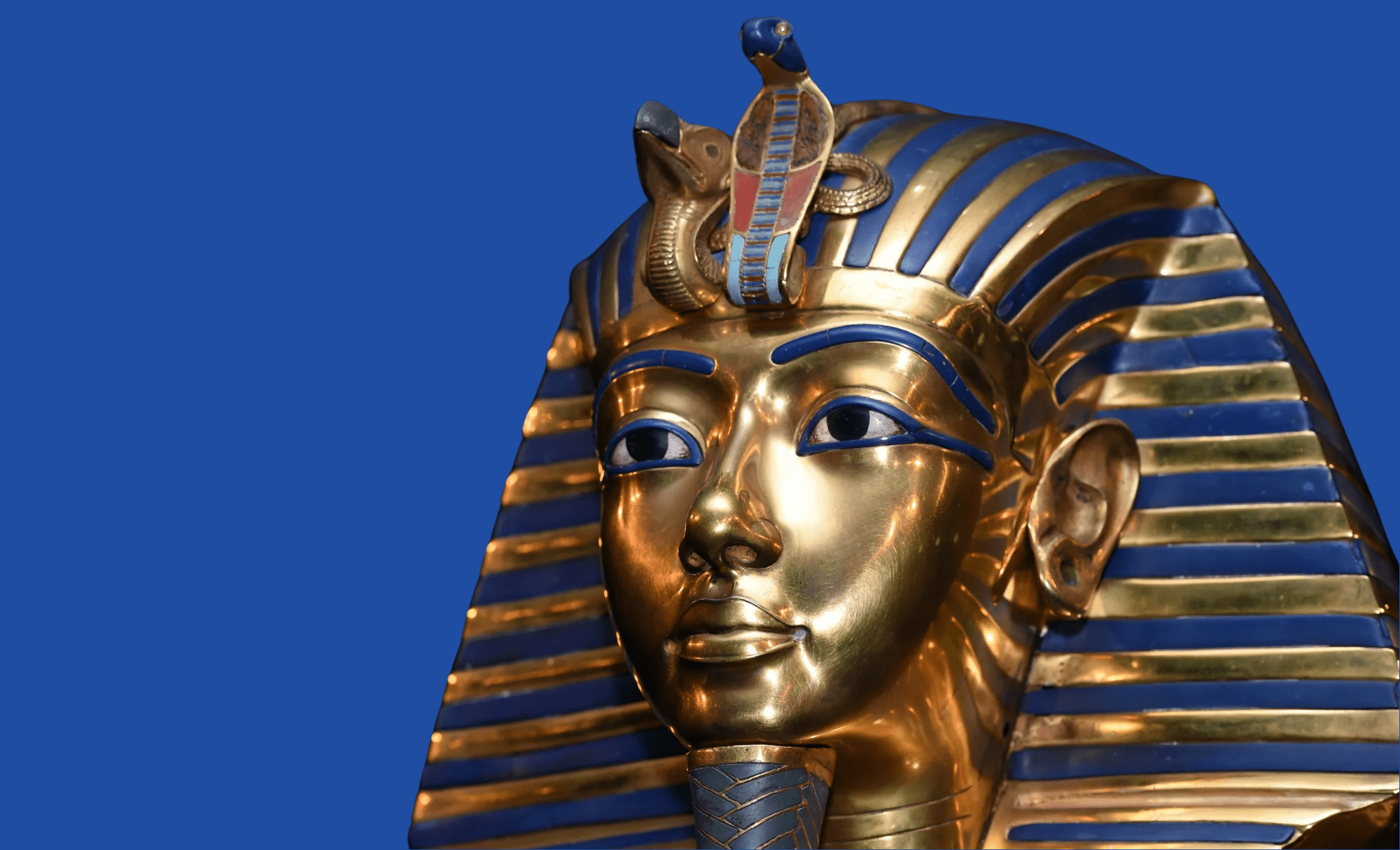
Tutankhamun’s gold & lapis lazuli funerary mask | Tutankhamun reigned over the New Kingdom of Egypt from 1332 BC to 1323 BC
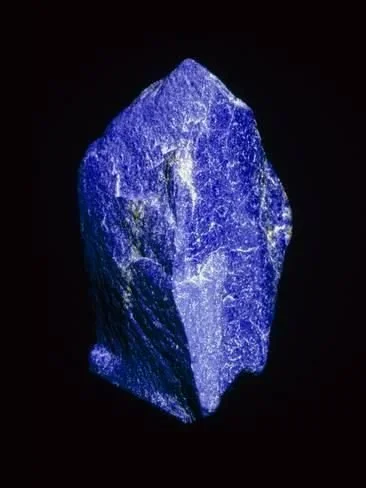
LAPIS LAZULI
Understanding the origins or meanings of color is incredibly helpful when utilizing palettes.
In times of dramatic change, or polarizing ideologies, it is intuitive to ground emerging trends with aesthetic cues grounded in antiquity or with enduring affinity. However, it is critical to leverage these cues with innovation and generational relevance.
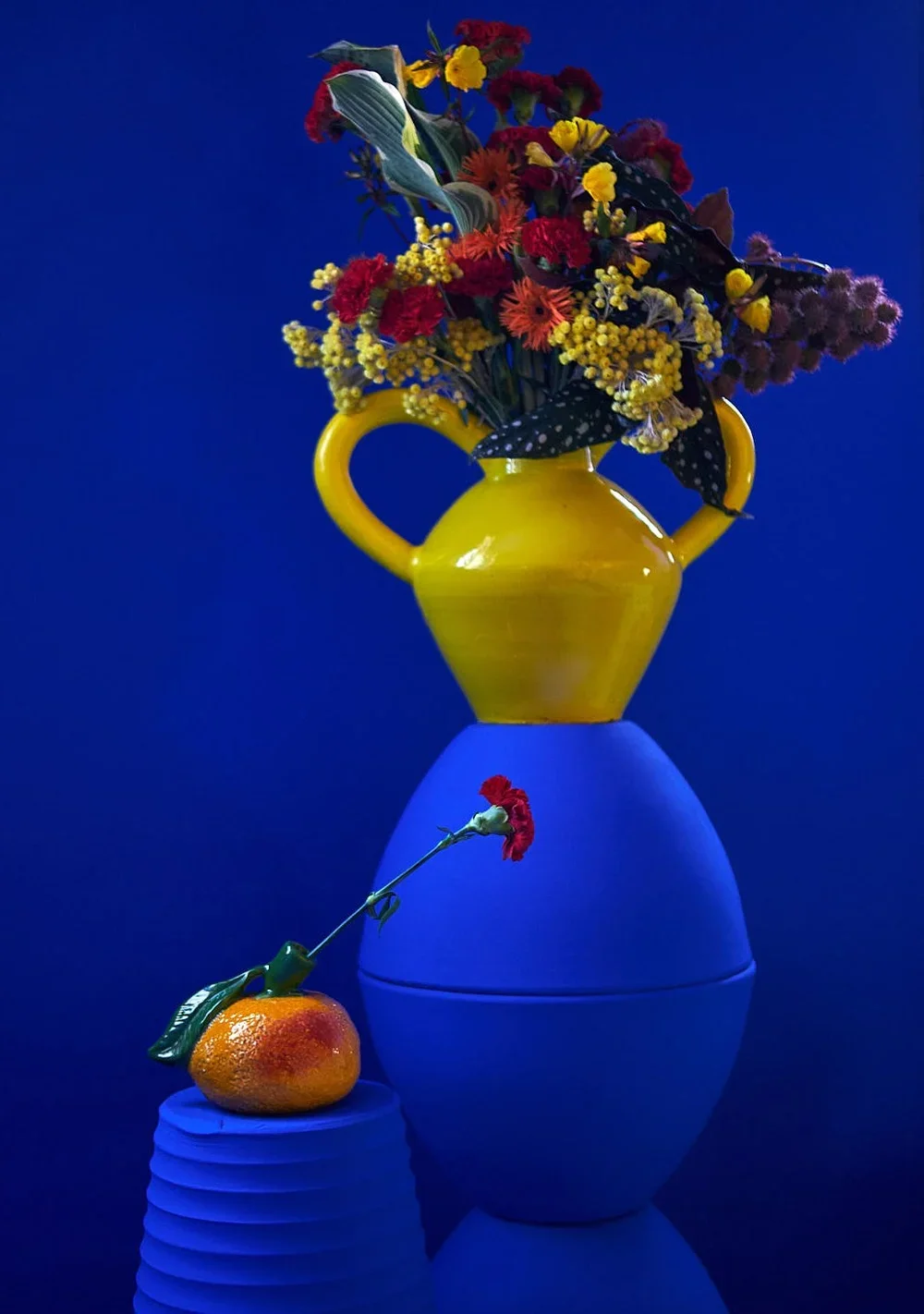
Lapis Lazuli is a key color in the UNCHARTED palette because it’s boldness emotes optimism, vibrancy, and expression. Below is a brief anthology of this storied color that dates back thousands of years.
7000 BC - PRESENT
7th MILLENIUM BC
Mesopotamia
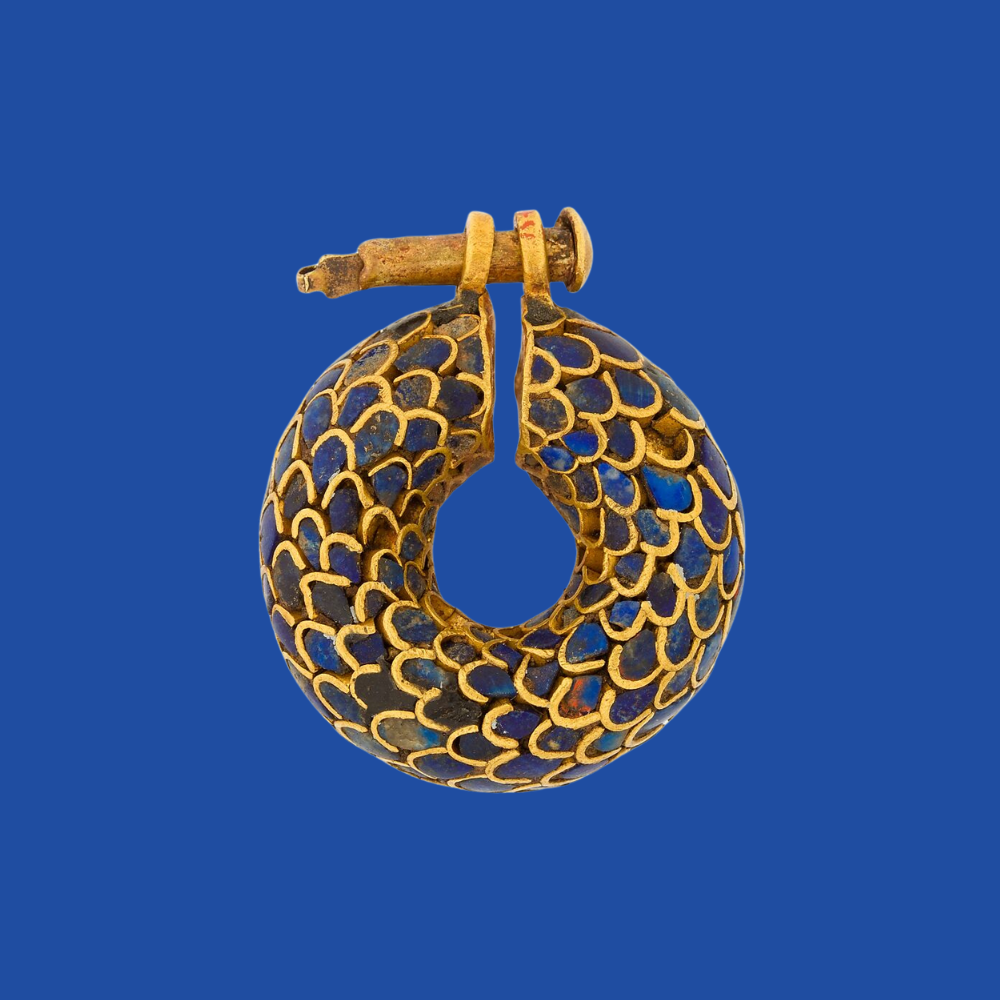
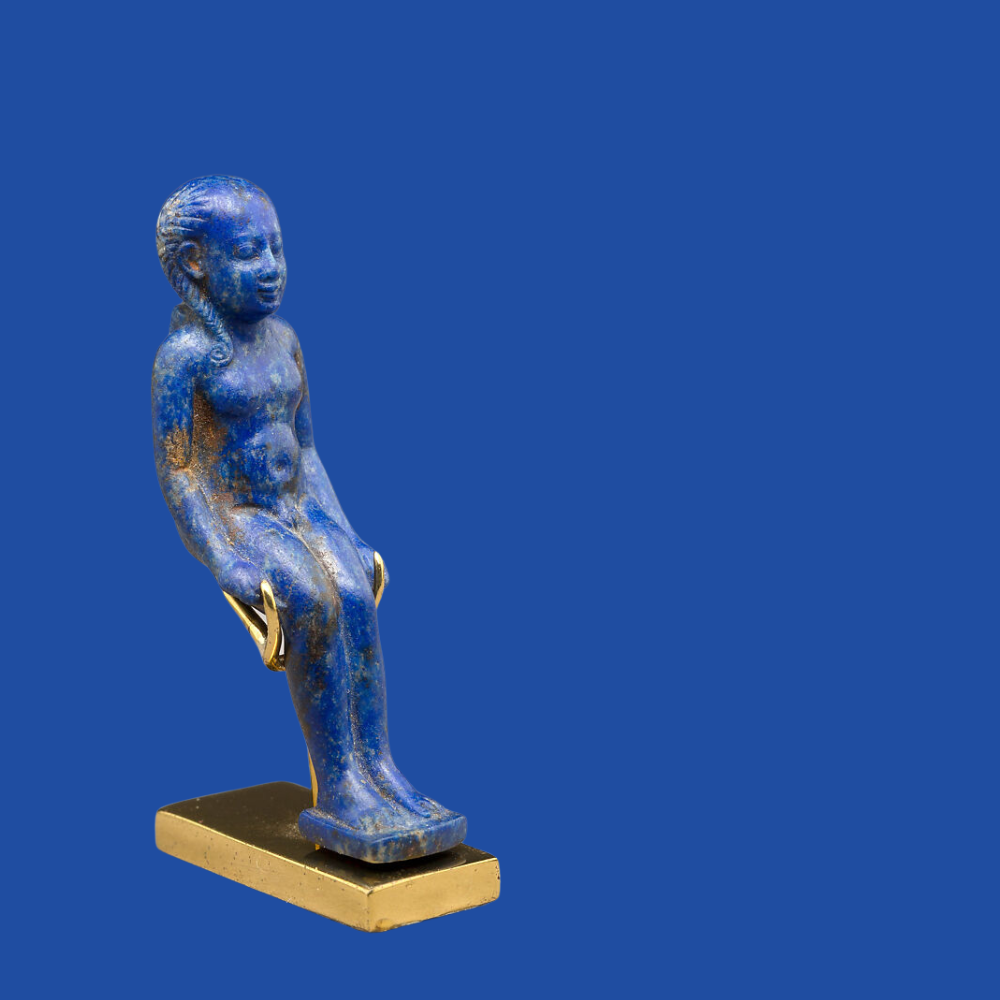
Known as “sapphires” by the ancients, artifacts from Mesopotamia show an abundant adoration for lapis. The excavation of the Royal Tombs of Ur in the 1920’s revealed exquisite mosaic lapis lazuli panels and artifacts.
3300 - 1900 BC
Indus Valley Civilization
Highly valued in the metropolitans of the Indus valley
EGYPT
Lapis is used for the eyebrows & other features on the funeral mask of Tutankhamun
MIDDLE AGES, RENAISSANCE, and BAROQUE
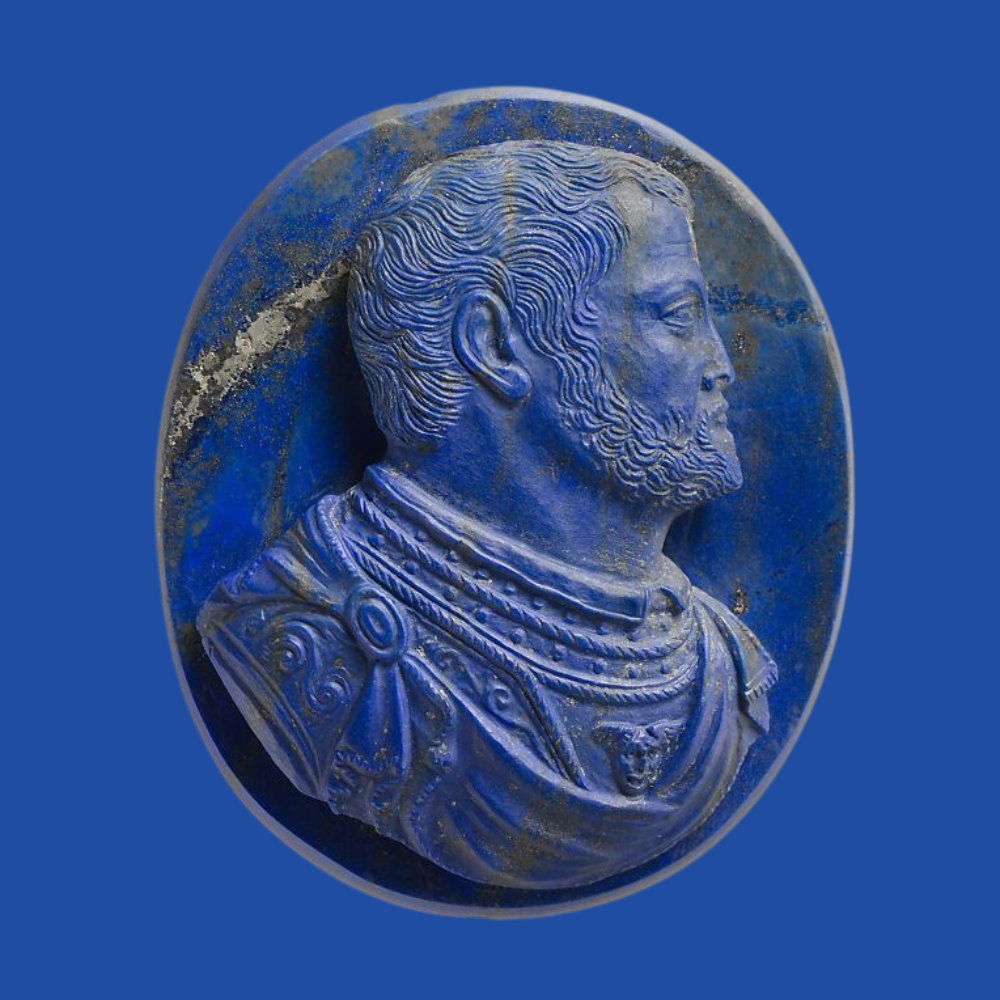
End of the Middle Ages, lapis was exported to Europe, and ground into powder and made into ultramarine, the finest / most expensive of all blue pigments … & used by some of the most important artists of the in Renaissance and Baroque.
TODAY
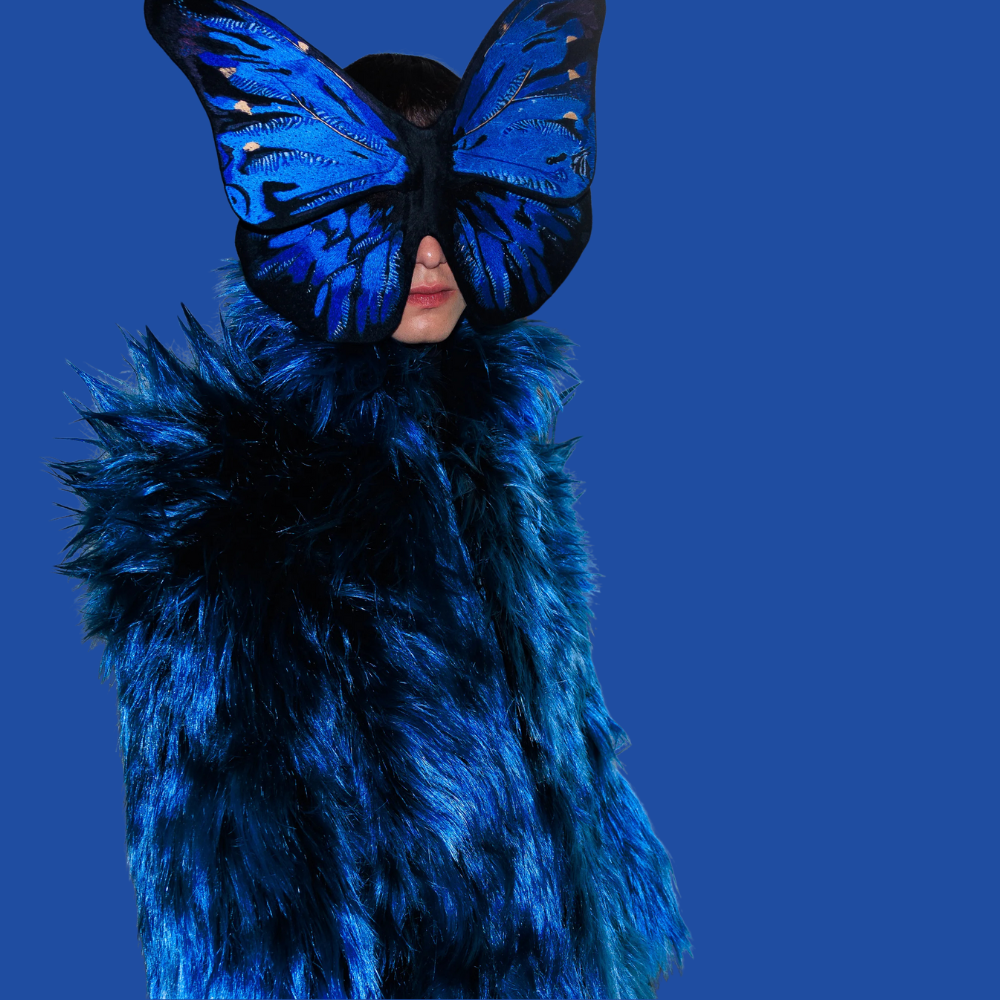
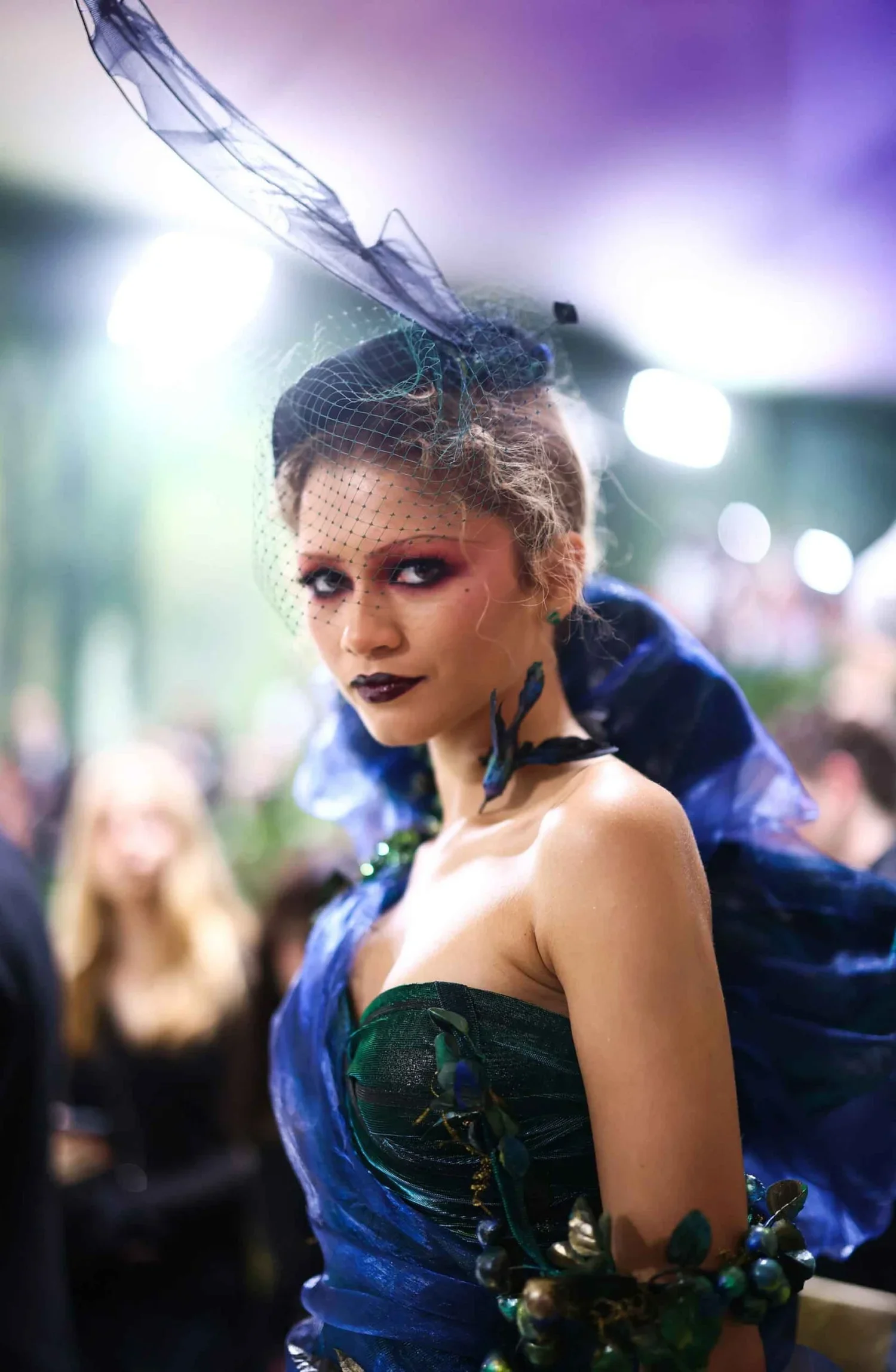
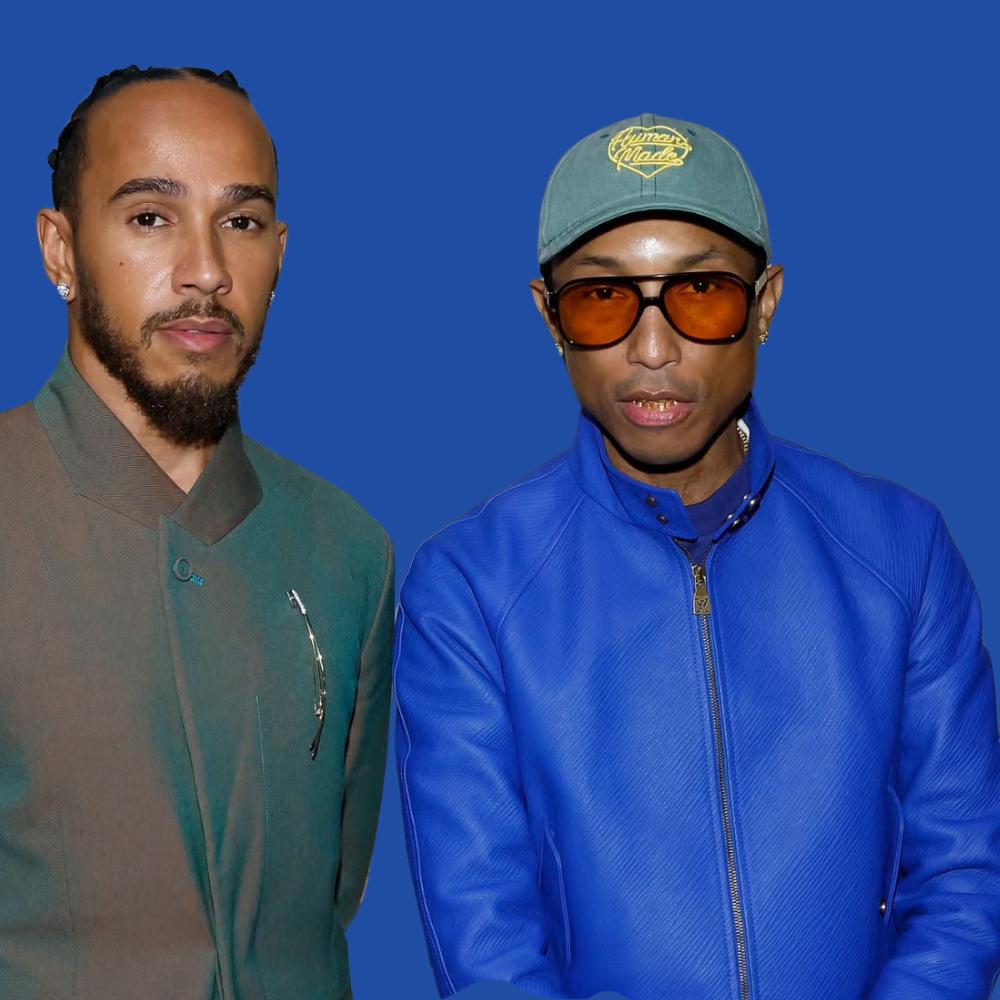
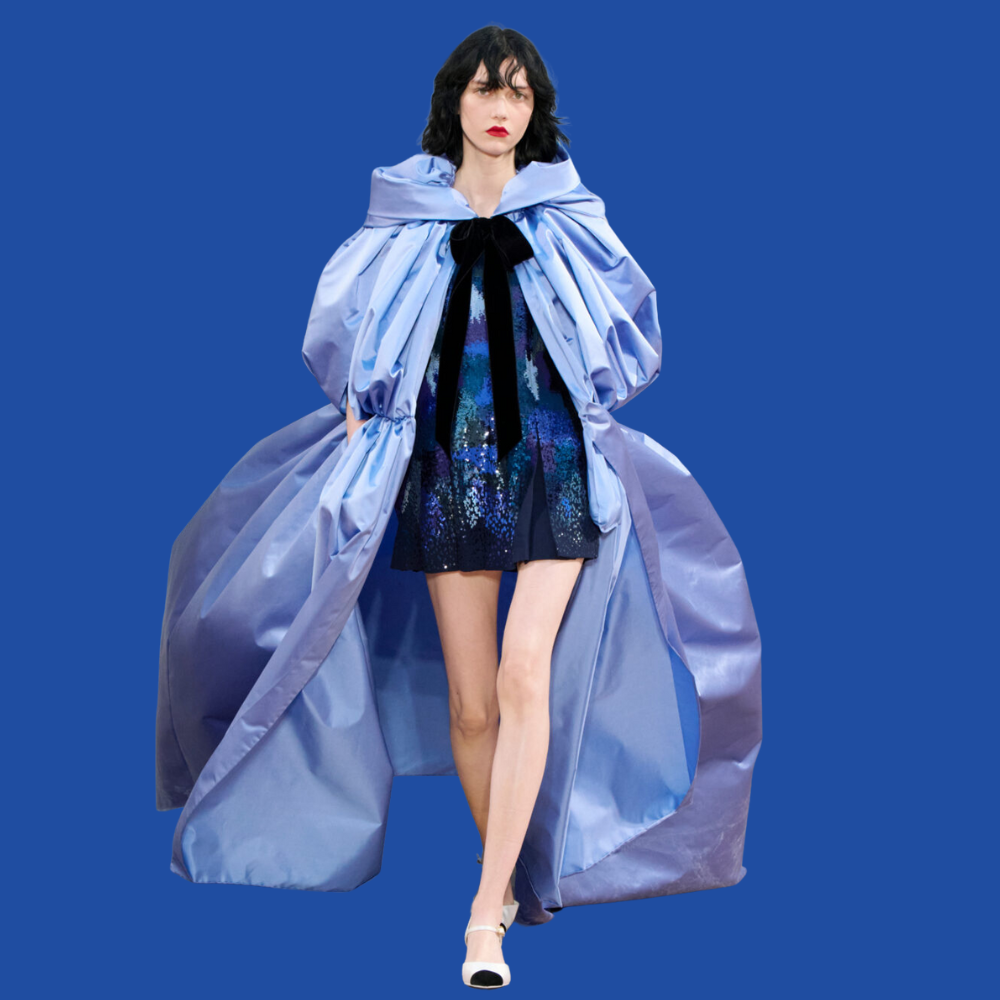
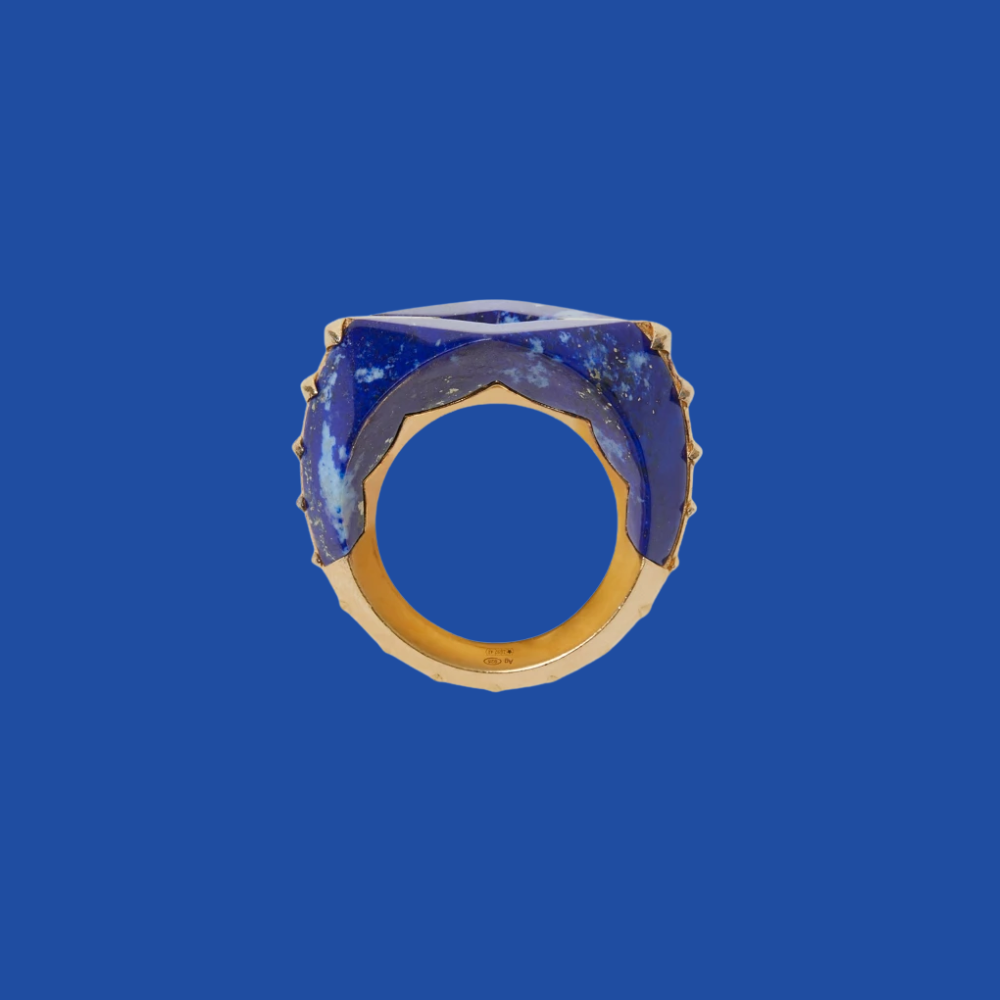
Lapis is being used jewelry by Burberry, and the vibrant hue being seen spanning streetwear to the runway.

COLOR MEANING
Lapis Lazuli Stones resonate with the vibration of truth and enlightenment. It relieves negative thoughts, as well as easing frustrations causing the anger. Lapis resonates with the energy of the inner king or queen, balancing the male and female aspects of your personality.